Paralegal vs Lawyer vs Attorney: Why This Matters for SQE1 Candidates
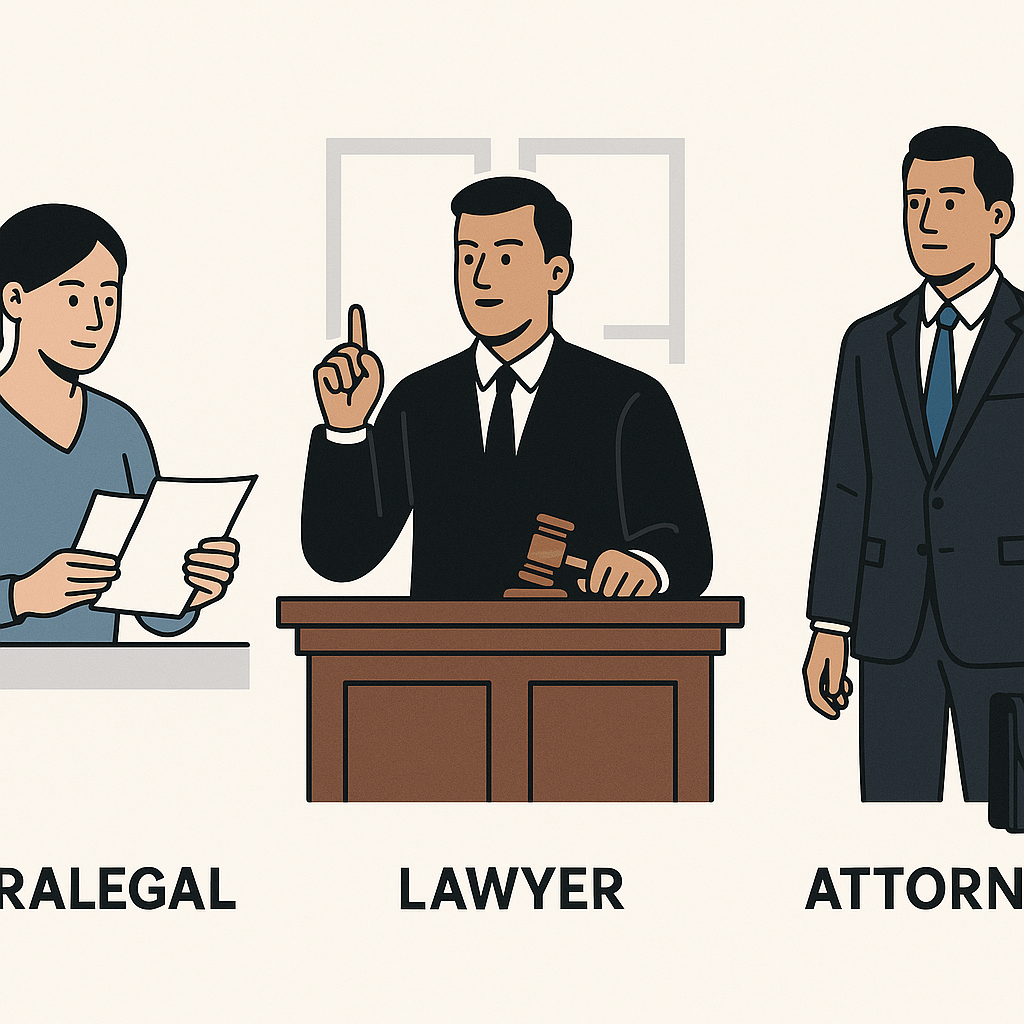
If you're preparing for SQE1, you’ve likely encountered terms like "paralegal," "lawyer," and "attorney." While they’re sometimes used interchangeably, they have distinct meanings — and understanding these differences can shape your career trajectory in law.
This article breaks down the roles, their relevance for SQE1 candidates, and actionable steps to optimize your preparation.
1. Paralegal: The Legal Foundation
Paralegals are essential to the functioning of law offices. They perform tasks such as drafting legal documents, conducting research, and organizing case files. However, they don’t provide legal advice or represent clients in court — those are responsibilities reserved for qualified legal professionals such as solicitors.
How This Role Relates to SQE1
Many paralegals see the SQE pathway as the perfect chance to transition into becoming a solicitor. The SQE’s flexibility allows candidates to qualify without securing a traditional training contract — a process that has long been considered one of the biggest hurdles to becoming a solicitor. Instead, paralegals can use their existing role to gain Qualifying Work Experience (QWE).
Actionable Steps for Paralegals Preparing for SQE1:
-
Map Your Existing Experience to SQE1 Topics:
- Review the SQE1 syllabus, which covers Functional Legal Knowledge (FLK1 and FLK2). For example, if you specialize in property law as a paralegal, you’re likely familiar with conveyancing and land law. Highlight areas where your work overlaps with exam topics.
- Identify gaps. If your role doesn’t involve criminal law or contract disputes, allocate extra study time to those areas.
-
Leverage QWE:
- Confirm with your employer that your paralegal role meets the SRA’s requirements for QWE. It should involve exposure to legal work that develops your skills, such as case management or drafting client correspondence.
-
Use Data-Driven Study Tools:
- Tools like SQE1Prep offer features like weak-topic detection. This ensures you invest time in areas you struggle with. For instance, even if you’ve worked extensively in property law, you might discover weak spots in specific topics like easements or co-ownership rules.
Common Pitfalls for Paralegals:
- Overconfidence: Paralegals often assume their work experience alone will carry them through SQE1, but the exams test broad knowledge — not just practical skills.
- Neglecting Exam Practice: SQE1 isn’t just about knowing the law; it’s about applying it under exam conditions. Active recall and mock exams are critical.
2. Lawyer: The Broad Umbrella
"Lawyer" is a general term used to describe anyone qualified to practice law. In England and Wales, this includes solicitors, barristers, and legal executives. Unlike "paralegal," it’s not a job title but a profession.
How This Role Relates to SQE1
Most SQE candidates aiming for "lawyer" status are targeting solicitor qualification. The SQE1 exam specifically assesses two key areas:
- Functional Legal Knowledge (FLK): Covers core areas like criminal law, contract law, and property law.
- Application Skills: Tests how well candidates apply legal principles to fact patterns, which mirrors real-world scenarios.
Actionable Steps for Aspiring Solicitors:
-
Prioritize Active Recall:
- Passive methods like re-reading textbooks or watching lectures are ineffective for SQE1. Instead, focus on active recall techniques like flashcards, practice questions, or topic-specific drills.
-
Simulate Exam Conditions:
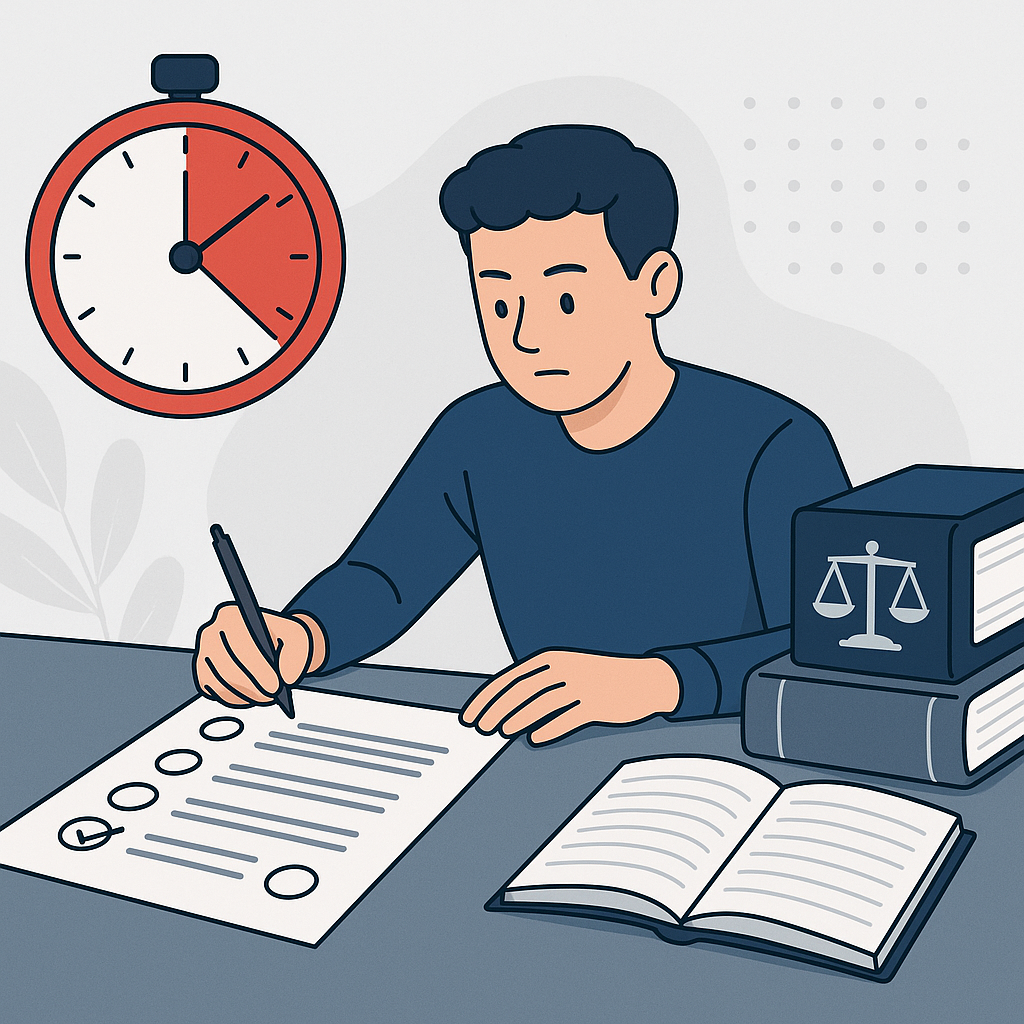
- Time pressure is a significant factor in SQE1. Use tools like SQE1Prep’s Exam Mode to practice answering questions within the exam’s strict time limits.
-
Develop a Study Plan:
- Divide your preparation into manageable chunks. For example:
- Week 1: Criminal law basics
- Week 2: Contract law principles
- Week 3: Property law and practice
- Include regular review sessions to reinforce weaker areas.
- Divide your preparation into manageable chunks. For example:
Key Differences Between Lawyers and Paralegals:
| Aspect | Paralegal | Lawyer (Solicitor) |
|---|---|---|
| Role | Assists with legal tasks (drafting, research) | Provides legal advice and representation |
| Qualifications Required | No formal legal qualification needed | Must pass SQE1, SQE2, and complete QWE |
| Scope of Work | Limited to support tasks | Broad legal practice and client-facing work |
3. Attorney: Same Name, Different Game
In the UK, "attorney" is not a common term for legal professionals. It’s primarily used in contexts like "power of attorney." However, in the US, "attorney" refers to a lawyer licensed to practice law.
How This Role Relates to SQE1
For candidates considering dual qualification, understanding how the SQE fits into international contexts is crucial. For example:
- The SQE focuses on UK-specific law but also covers common law principles. These principles are shared by many jurisdictions, including the US.
- After qualifying as a solicitor, you may be eligible to sit for state bar exams in the US, depending on the state’s requirements.
Actionable Steps for International Candidates:
-
Understand Common Law Nuances:
- Common law relies heavily on precedent. Study how this differs from civil law systems, where codified statutes dominate.
-
Research State Bar Requirements:
- States like New York or California may allow UK-qualified solicitors to sit for their bar exams. Check eligibility rules early to avoid surprises.
-
Focus on Topic Specificity:
- International candidates often struggle with areas like constitutional law or contract interpretation due to differences in legal systems. Use structured drills to acclimate quickly.
FAQ
Q: Can I become a solicitor if I’ve been a paralegal for years? A: Yes, but you’ll need to pass SQE1 and SQE2, and complete two years of QWE. Your paralegal experience can count as QWE if it involves substantive legal work and meets SRA requirements.
Q: How is a solicitor different from a lawyer? A: "Lawyer" is a broad term covering solicitors, barristers, and other legal professionals. Solicitors specifically provide legal advice, draft documents, and represent clients.
Q: Can international candidates qualify through the SQE? A: Yes. The SQE is open to international candidates. After qualifying, you may explore dual qualification in other jurisdictions, such as the US or Australia.
Q: What’s the difference between SQE1 and SQE2? A: SQE1 tests legal knowledge (FLK1 and FLK2), while SQE2 assesses practical legal skills like advocacy, drafting, and client interviewing.
Q: Is work experience mandatory for SQE? A: Yes, two years of Qualifying Work Experience (QWE) is required. This can be completed before, during, or after passing the SQE exams.
Takeaway
Whether you’re a paralegal transitioning to solicitor status, an aspiring barrister, or an international candidate exploring the UK market, understanding the distinctions between these roles can help you tailor your preparation. The SQE1 demands focus, active recall, and a clear study strategy. Tools like SQE1Prep can be invaluable in identifying and fixing weak areas.
Ready to take the next step? Start preparing with smarter tools today.
Learn more at SQE1 Drills