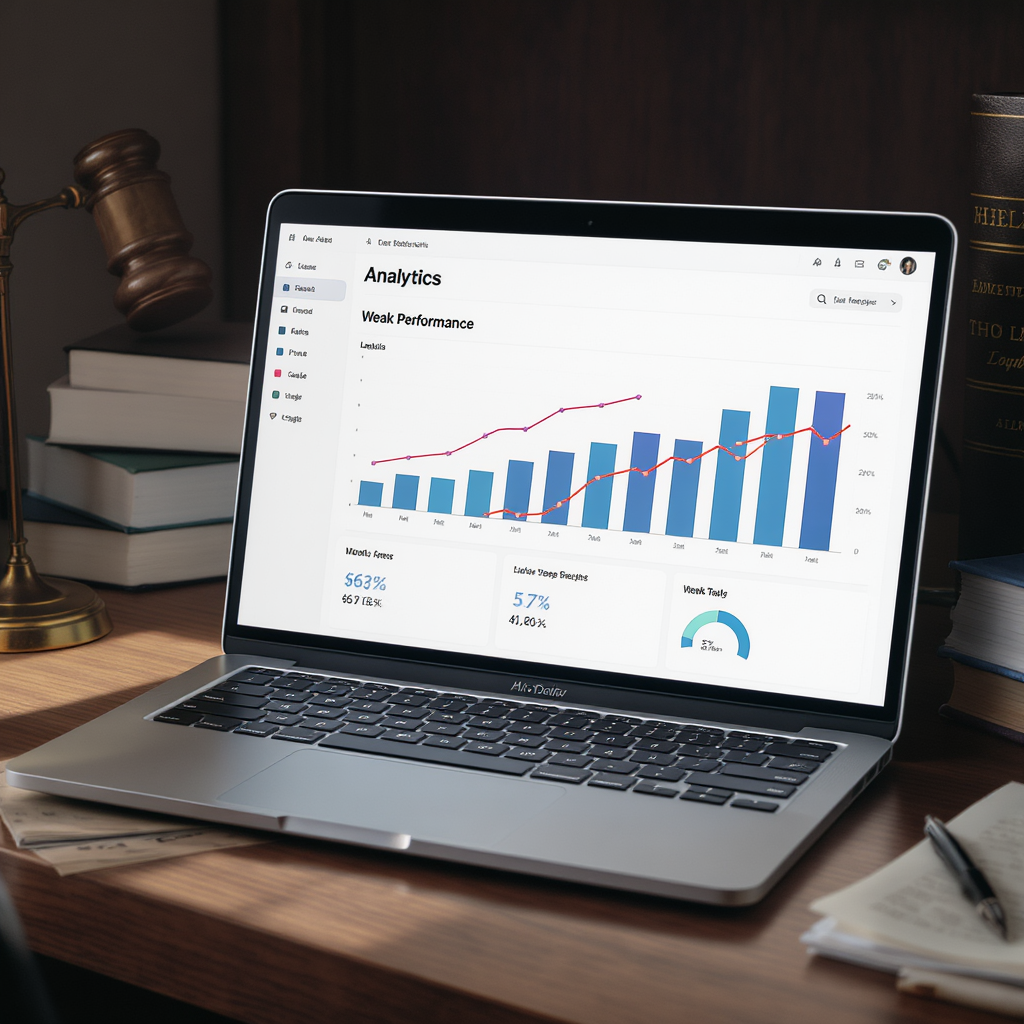
Stop Studying Everything: Focus on What Actually Needs Work
The SQE1 exam is intimidating. Two papers, 360 multiple-choice questions, and a pass rate hovering around 53-56% (SRA Data). But here's the thing: most candidates fail not because they don't work hard, but because they focus on the wrong things.
You're probably guilty of it, too. Re-reading contract law because it feels 'safe'? Watching another YouTube video on torts because you like the lecturer? Sounds productive, but it's just busywork. The SQE1 isn't about knowing more — it's about knowing exactly what you don't know and fixing that.
That's where weak-topic drills come in. This isn't just my opinion. It's backed by science and experience. A study by Roediger & Butler (2011) found that targeted, repeated practice on weaker areas dramatically improves recall. And it's how top SQE1 scorers approach their prep.
How to Find Your Weak Spots
You can't fix what you can't see. Step one is identifying your weak topics. The SQE1 covers 13 areas — everything from Dispute Resolution to Solicitors Accounts. But which ones are you bad at? Most candidates guess. That's a mistake.
Instead, track your performance. Tools like SQE1Prep's real-time analytics can pinpoint exactly where you're struggling. Answer a few drills, and the system flags topics where your accuracy drops below 60%. For example, if you're consistently missing questions in Land Law, that's a red flag.
This beats the old-school 'revise everything' approach. Why spend time on Trusts if you're already scoring 80%? Better to focus on your problem areas.
Drill Relentlessly (But Smartly)
Once you've identified your weak topics, the next step is drilling them to death. But not randomly. Here’s how to make it work:
- Set Specific Goals: Don't just say, "I'll do some Property drills." Instead, aim for something actionable like, "I'll complete 30 questions on Easements today."
- Use Active Recall: Passive learning (reading, highlighting, watching) doesn’t cut it. SQE1 is a multiple-choice exam, so practice answering questions. Tools like SQE1Prep let you simulate exam conditions with timed sessions.
- Review Mistakes Ruthlessly: For every question you get wrong, understand why. Was it a lack of knowledge or a misreading of the question? The AI tutor in SQE1Prep explains both the correct answer and why the distractors were wrong. This is gold.
Want proof this works? A recent post on SQE1Prep’s blog highlighted a case study of a student who improved their FLK1 score from 55% to 72% in three weeks by drilling weak topics. They didn’t study more hours — they studied smarter.
Don't Ignore Exam Mode
Weak-topic drills are great for building confidence in specific areas, but don’t forget to practice in exam conditions. SQE1 is a marathon — 180 questions per paper, with limited time. If you’re not used to answering at that pace, you’ll burn out.
Use tools like SQE1Prep’s Exam Mode to simulate real conditions. 180 questions, timed, no shortcuts. It’s brutal, but you’ll thank yourself on exam day.
Final Thoughts
Weak-topic drills aren’t just a "nice-to-have". They’re essential. The SQE1 isn’t about knowing everything; it’s about knowing what you’re bad at and fixing it. Stop wasting time revising your favorite topics. Start drilling your weaknesses, and watch your scores climb.
If you don’t know where to start, check out SQE1Prep’s free trial. It includes 10 free MCQs and analytics to help you find your weak spots. At £5/month, it’s a no-brainer.
Struggling with SQE1 prep? You’re not alone. Check out the full guide on How Weak-Topic Drills Can Save Your SQE1 Prep for more tips on targeting your weakest areas.
Learn more at SQE1 Drills