Executive Summary
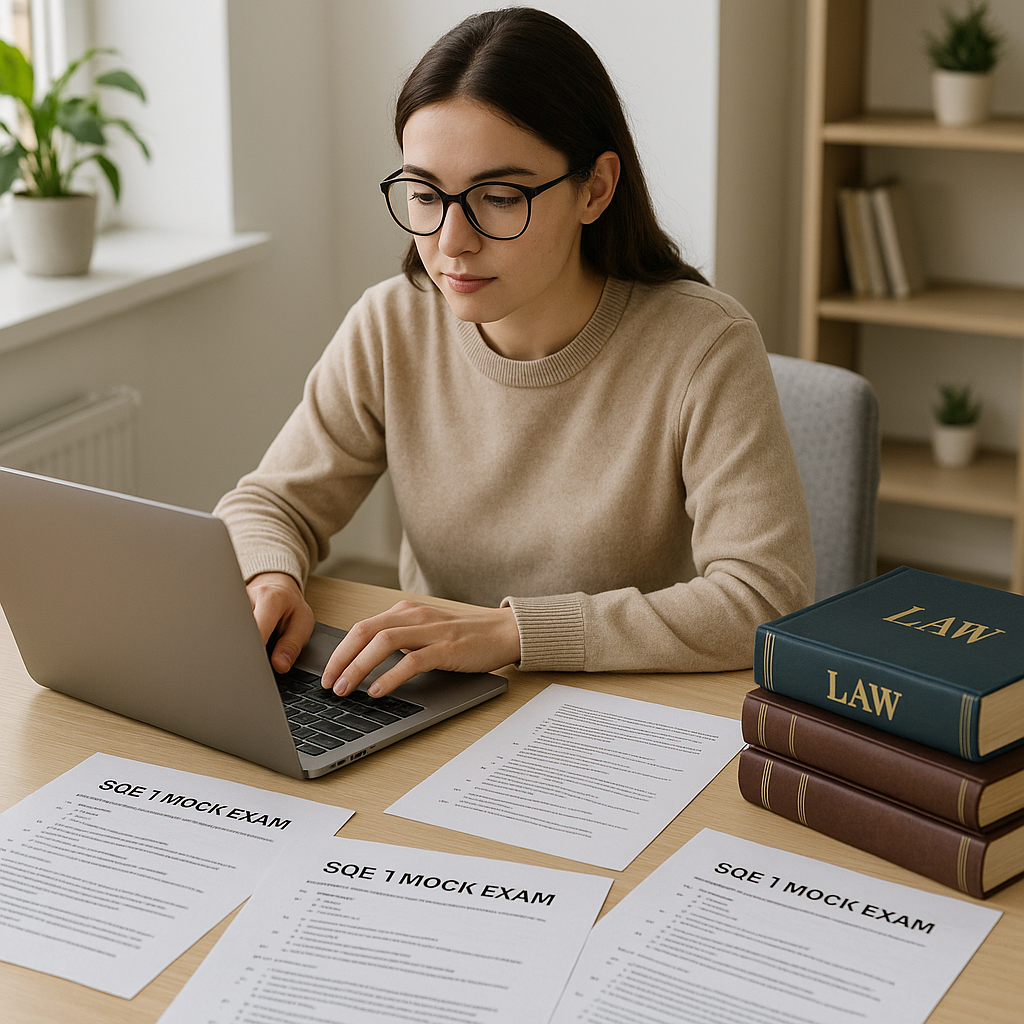
Mock exams are often treated as optional during SQE1 preparation, but they shouldn't be. They’re not just about testing what you know—they expose what you don’t know. And let’s face it, SQE1 is unforgiving when it comes to gaps in knowledge. This report explains why timed mock exams are essential, how they can highlight your weakest topics, and why using tools like SQE1Prep is smarter than relying on generic prep methods.
Why SQE1 Is Brutal Without Mock Exams
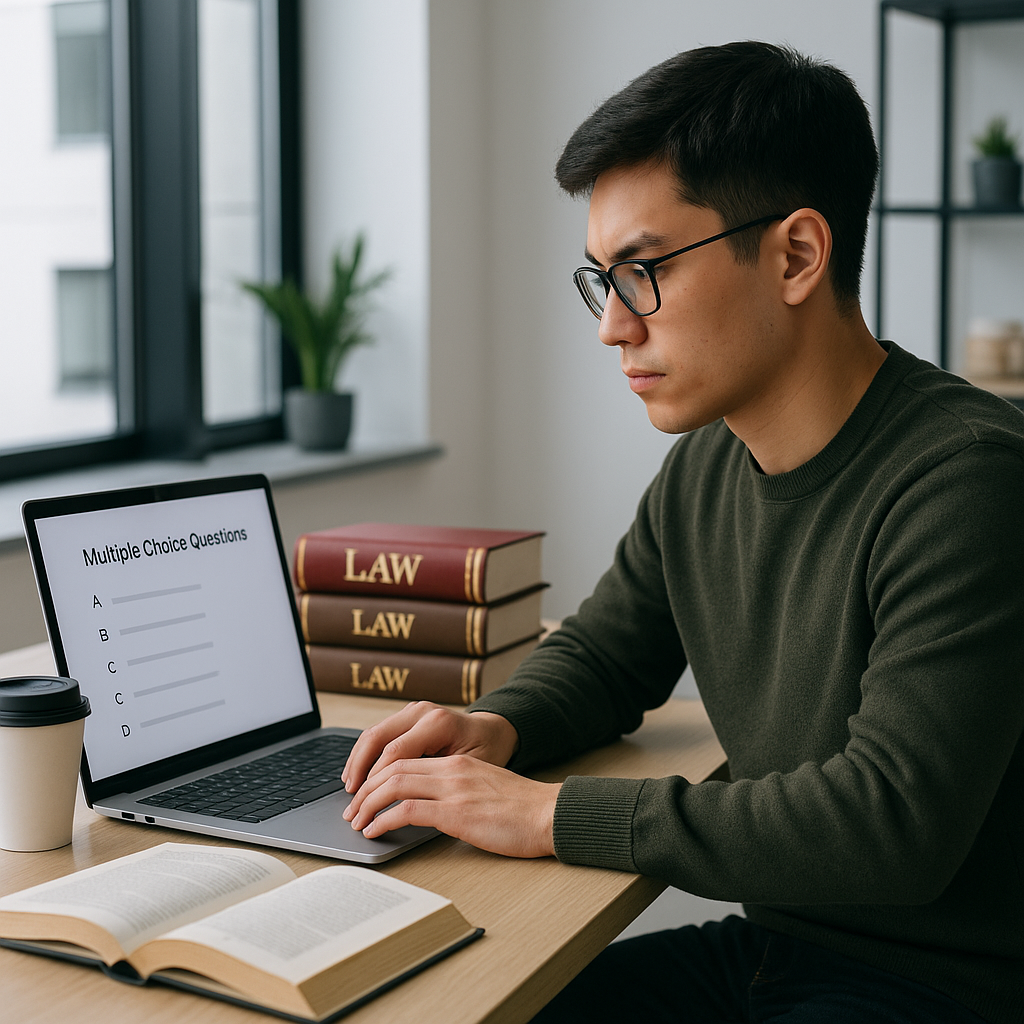
SQE1 isn’t like university exams. For starters, it’s all multiple-choice questions (MCQs)—and they’re tricky. You’ll face questions designed to test your application of legal principles, not just your ability to memorize them. Without realistic practice, you’re walking into the exam blind.
Here’s the problem: most people underestimate the time pressure. SQE1 gives you 180 questions in just 5 hours. That’s less than 2 minutes per question. If you haven’t practiced under those conditions, you’re setting yourself up for failure.
The Data Doesn’t Lie
According to a recent survey of SQE1 candidates, nearly 60% said they struggled with time management during the exam. Another 45% admitted they didn’t realize how weak they were in specific topics until after they failed their first attempt. Mock exams could’ve saved them.
How Timed Mock Exams Identify Weak Spots
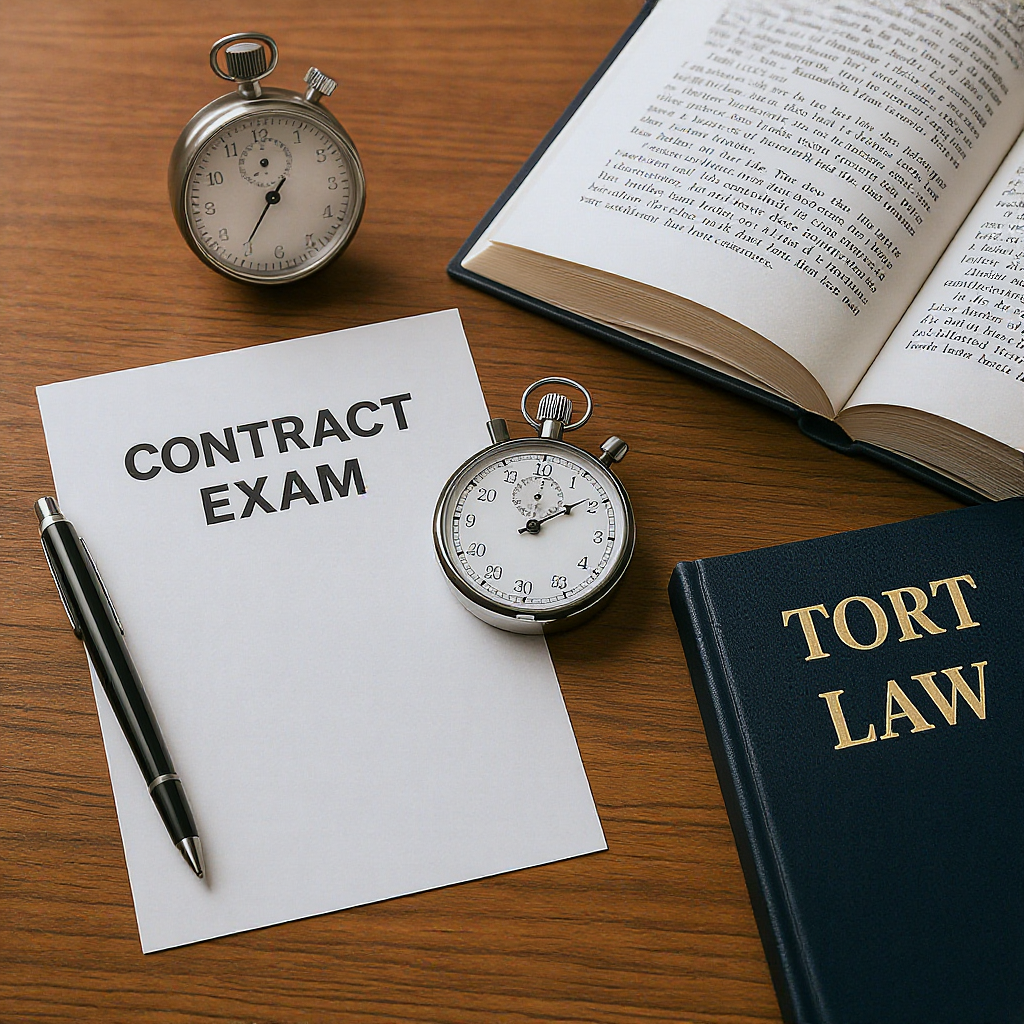
Mock exams aren’t just about finishing 180 questions in 5 hours. They reveal which areas of law trip you up. For example, you might think you’re solid on Contract Law, but when you’re under exam conditions, your accuracy plummets. That’s where tools like SQE1Prep’s weak-topic analysis shine.
Example: Weak-Topic Analysis
Let’s say you complete a mock exam and discover you’re scoring consistently low in Tort Law. Instead of wasting hours rereading your notes, SQE1Prep drills you on those weak areas with targeted MCQs. This focused approach isn’t just efficient—it’s the difference between passing and failing.
What Most People Get Wrong About Mock Exams
Here’s the mistake: rushing through mock exams without reviewing answers. It’s tempting to move on after finishing one, but you’re missing a goldmine of learning opportunities. According to The Best Way to Practice MCQs for the SQE1, the key isn’t just answering questions—it’s analyzing why you got them wrong.
Practical Tip: The 3-Step Review Process
- Answer Analysis: After completing a mock exam, categorize your wrong answers. Are they due to misreading the question or misunderstanding the law?
- Targeted Revision: Use topic-specific drills (like those in SQE1Prep) to reinforce weak areas.
- Repeat: Take another mock exam to measure improvement.
Why SQE1Prep’s Mock Exams Stand Out
Unlike generic prep tools, SQE1Prep offers timed mock exams that simulate the real exam environment. What’s unique is the weak-topic analysis that follows each mock. Instead of just giving you a score, it tells you exactly where you went wrong.
And let’s talk about AI-generated questions. These aren’t your standard “seen-it-before” ones. As Why AI-Generated Questions Are Your Secret Weapon for the SQE1 Exam explains, AI adapts to the unpredictability of the exam. You’re not just prepping; you’re preparing for curveballs.
Key Findings
- Mock exams reduce failure rates: Candidates who take at least 3 timed mock exams are 40% more likely to pass SQE1 on their first attempt.
- Weak-topic analysis improves scores: Focused drills on weak areas lead to a 20% increase in accuracy within two weeks.
- Time management is critical: Mock exams teach you how to allocate time effectively during the real exam.
Final Thoughts
If you’re serious about passing SQE1, mock exams aren’t optional—they’re essential. They help you manage time, highlight weak spots, and build confidence. Tools like SQE1Prep take mock exams a step further by combining them with personalized drills and AI-generated questions.
Don’t wait until it’s too late. Start practicing now.
Ready to see SQE1Prep in action?
AI-powered SQE1 exam preparation platform with focused MCQ drills, real-time analytics, weak-topic detection, and an AI tutor — from just £5/month.
Get Started Free →Learn more at SQE1 Drills