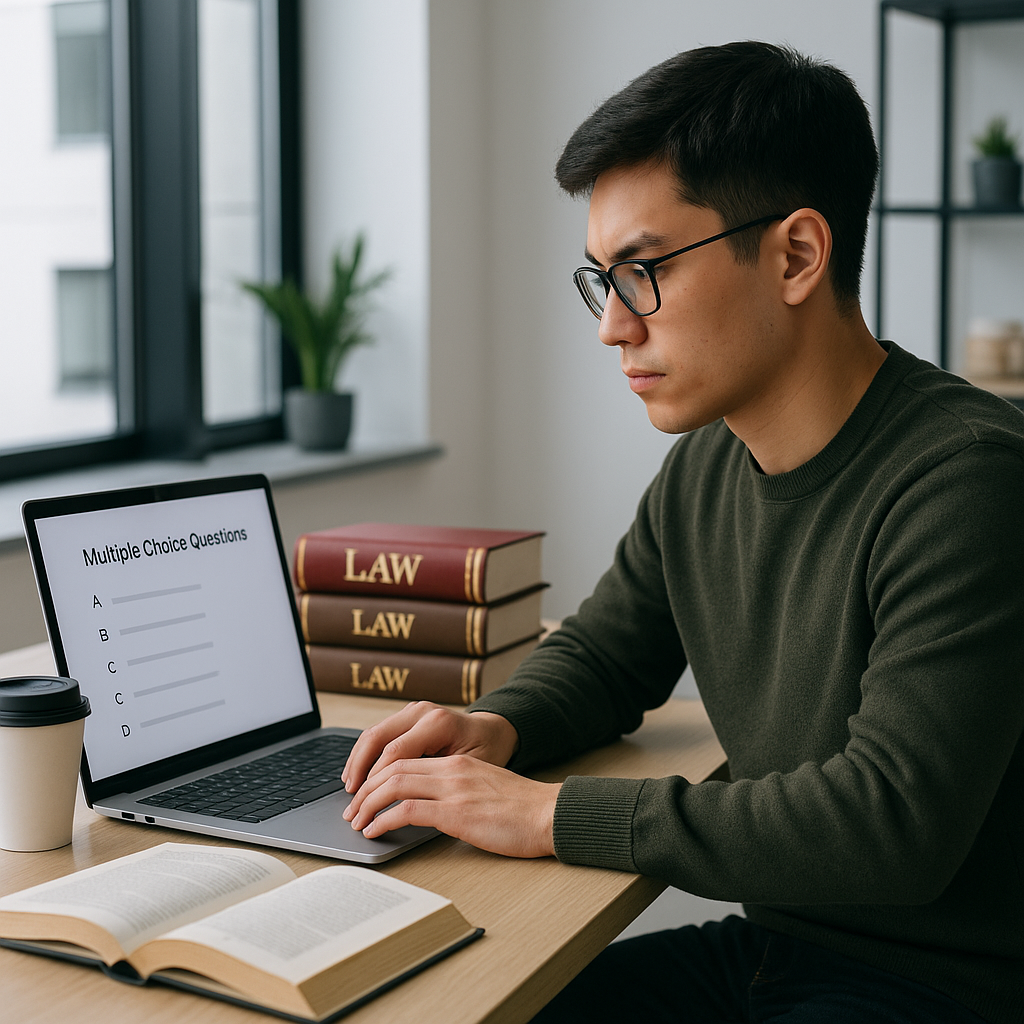
Requalifying as a UK Solicitor Doesn’t Have to Cost £3,000+
For foreign lawyers looking to requalify in England and Wales, the process can feel overwhelming. The Solicitors Qualifying Examination (SQE) route, while more accessible than the old Qualified Lawyers Transfer Scheme (QLTS), still comes with its challenges — and costs. Many candidates assume they need to shell out £3,000–£6,000 for premium prep courses to stand a chance. But do you really?
Here’s the thing: passing SQE1 isn’t about attending fancy lectures or spending a fortune. It’s about consistent practice, staying disciplined, and identifying your weaknesses. Affordable yet targeted tools like SQE1 Drills are game-changers in this process. They allow foreign lawyers to prepare effectively without breaking the bank.
The Problem: High Costs and Limited Resources
Foreign lawyers often face two key hurdles when preparing for SQE1:
1. Sky-High Course Fees
Traditional preparatory course providers like BARBRI, the University of Law (ULaw), and BPP charge thousands of pounds for their SQE1 courses. For candidates who are self-funded — which includes many foreign lawyers — these fees often feel prohibitively expensive. This financial barrier discourages otherwise qualified professionals from pursuing requalification in the UK.
Example: BARBRI’s SQE1 Prep Course starts at £2,999, while ULaw offers packages that climb to over £5,000. These courses often bundle multiple services, such as video lectures, mock exams, and study materials, but not everyone needs the full package. For many, it’s overkill.
2. Outdated Study Methods
Many traditional courses rely heavily on passive learning, such as hours of pre-recorded lectures and PDF study materials. While these resources may provide a solid theoretical foundation, they don’t necessarily prepare candidates for the applied nature of the SQE1 exam. SQE1 tests practical legal knowledge through Single Best Answer (SBA) multiple-choice questions, which require active recall and problem-solving skills rather than rote memorization.
Combine these issues with limited time (most foreign lawyers are juggling full-time jobs or family responsibilities), and the risk of failure grows. Over 50% of SQE1 candidates fail their first attempt, according to data published by the Solicitors Regulation Authority (SRA). A lack of active recall practice and exam-specific preparation is a major factor behind this high failure rate.
The Solution: Affordable, Targeted Practice
Here’s where affordable, focused tools like SQE1 Drills come in. At just £5/month, this platform is designed to address the specific challenges that foreign lawyers face. Let’s break it down:
1. Active Recall Practice
Active recall is one of the most effective study techniques. Unlike passive learning (e.g., watching a lecture), active recall forces your brain to retrieve information, which strengthens memory retention and understanding. Research consistently shows that active recall not only improves your ability to retain information but also helps you apply it in real-world scenarios — exactly what the SQE1 exam requires.
How It Works: SQE1 Drills features a question bank of 600+ multiple-choice questions mapped directly to the SRA’s assessment specifications. The platform adds ~100 new questions daily, ensuring you’ll always have fresh material to work with. Every question is designed to mimic the style and difficulty of actual SQE1 questions, making your practice time highly relevant.
Actionable Step: Dedicate 30 minutes each day to active recall exercises. Use tools like SQE1 Drills to complete short quizzes and review the explanations for any questions you get wrong. Over time, this daily habit will help you solidify your understanding of the syllabus.
2. Weak-Topic Detection
One of the biggest challenges for foreign lawyers is the breadth of the SQE1 syllabus. While many candidates excel in areas they’ve practiced before (e.g., contract law or property law), they often struggle with less familiar subjects like Solicitors Accounts, Wills, or Professional Ethics. These gaps in knowledge can significantly lower your chances of passing.
How It Works: SQE1 Drills includes an analytics dashboard that tracks your performance across all topics. If your accuracy in a subject drops below 60%, the platform highlights it as a "weak topic." This allows you to focus your efforts where they’re needed most, rather than wasting time on subjects you’ve already mastered.
Actionable Step: After each practice session, review your analytics. Identify your weakest topics and prioritize those in your study plan. For example, if Solicitors Accounts is a trouble area, allocate extra time each week to mastering its concepts.
3. Exam Mode Simulation
Studying theory is one thing. Performing under timed, exam-like conditions is another challenge entirely. Many candidates fail SQE1 because they’re unprepared for the pressure and time constraints of the real exam.
How It Works: SQE1 Drills offers an Exam Mode feature that replicates the exact conditions of the actual SQE1 assessment. You’ll face two mock papers of 180 questions each, with the same time limits as the real exam. This helps you build both stamina and confidence, so there are no surprises on exam day.
Actionable Step: Incorporate full-length practice exams into your study plan at least once every two weeks. Use these sessions to fine-tune your time management skills and identify any areas where you’re still struggling.
A Practical Example: Maria, an International Lawyer
Maria, originally qualified in Spain, found the SQE1 syllabus daunting. She was confident in her knowledge of Contract Law and Tort, but struggled with unfamiliar topics like Wills & Administration of Estates and Solicitors Accounts.
Maria considered enrolling in a £3,000 prep course but decided to try SQE1 Drills instead. Here’s how she approached her preparation:
-
Phase 1: Diagnostic Testing
Maria started with a 100-question diagnostic test in Exam Mode. The results revealed her strongest topics (e.g., Contract Law, scoring 85% accuracy) and her weakest topics (e.g., Solicitors Accounts, scoring just 40% accuracy). -
Phase 2: Targeted Practice
Over the next three months, Maria focused on her weak areas. She used SQE1 Drills’ Instant Feedback mode to complete 30-question practice sessions each day. The platform’s analytics dashboard showed her gradual improvement, as her scores in Solicitors Accounts climbed from 40% to 73%. -
Phase 3: Full-Length Mock Exams
In the final month before her exam, Maria completed three full-length mock exams using SQE1 Drills’ Exam Mode. This helped her build the stamina and confidence she needed to perform under timed conditions.
When Maria sat for SQE1, she passed on her first attempt with an overall score of 82%. And she did it all without spending thousands on a prep course.
Why Affordable Prep Tools Matter More Than Ever
The UK legal market is becoming increasingly competitive. A 2026 report by Thomson Reuters predicts a 13% rise in demand for SQE-qualified solicitors, particularly in high-growth sectors like ESG and tech law. However, many law firms are unwilling to cover the cost of study materials for foreign lawyers unless they’re already enrolled as trainees. This leaves self-funded candidates in a tough spot.
Affordable tools like SQE1 Drills level the playing field. At just £5/month, it’s accessible to almost anyone. But what truly sets it apart is its value: features like AI-powered explanations, weak-topic analysis, and realistic exam simulations provide everything you need to prepare effectively — without unnecessary extras.
FAQs
1. Do foreign lawyers get any exemptions for SQE1?
Yes, depending on your qualifications and professional experience. The SRA allows exemptions for certain parts of the SQE based on prior legal training or practice. However, exemptions are granted on a case-by-case basis, and the core principles tested in SQE1 often require thorough preparation regardless.
2. How long should I prepare for SQE1?
Preparation time varies depending on your background. Most candidates need 4–6 months of consistent study, dedicating at least 10–15 hours per week. Tools like SQE1 Drills’ streak tracker and weekly goal system can help you stay accountable.
3. What topics are the hardest for foreign lawyers?
Common pain points include Solicitors Accounts, Wills & Administration of Estates, and Professional Ethics. These subjects are often less emphasized in foreign legal systems, making targeted practice essential.
4. Is it possible to pass SQE1 without any expensive prep course?
Absolutely. Many candidates pass SQE1 using affordable tools like SQE1 Drills. The key is consistent practice, understanding the exam format, and focusing on your weak areas.
5. What’s the pass rate for SQE1?
According to the SRA, the pass rate for SQE1 is approximately 50%. Candidates who engage in active recall practice and take full-length mock exams tend to perform significantly better.
Comparison Table: Traditional Prep Courses vs. SQE1 Drills
| Feature | Traditional Prep Courses | SQE1 Drills (£5/month) |
|---|---|---|
| Cost | £3,000–£6,000 | £5/month |
| Study Format | Video Lectures, PDFs, Mock Exams | Active Recall, MCQs, Exam Mode |
| Active Recall Focus | Limited | Yes |
| Weak-Topic Detection | No | Yes |
| Flexibility | Fixed Schedule | Self-Paced |
| Accessibility | High Cost Barrier | Affordable |
Ready to Start?
The SQE1 doesn’t have to break the bank. With tools like SQE1 Drills, you can get the practice you need for just £5/month. Start building your confidence and mastering the syllabus today.
Learn more at SQE1 Drills