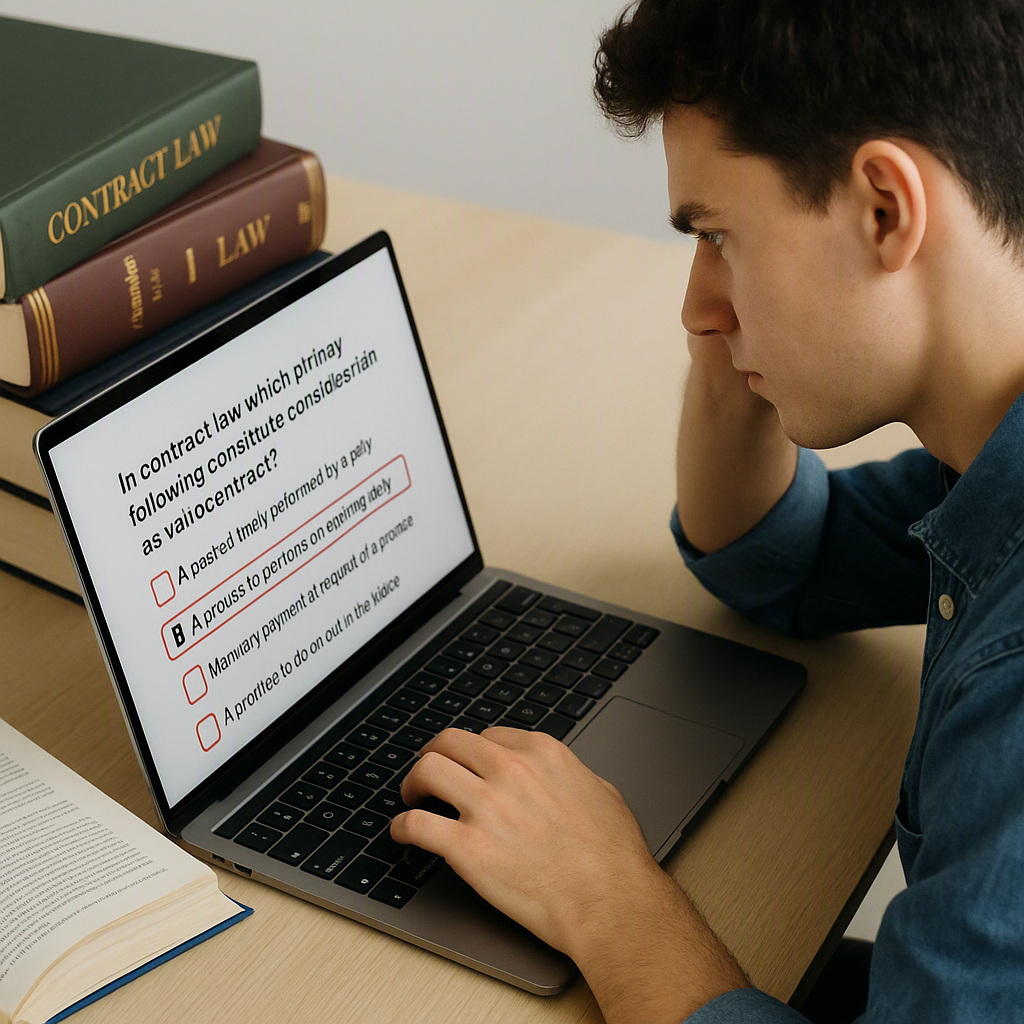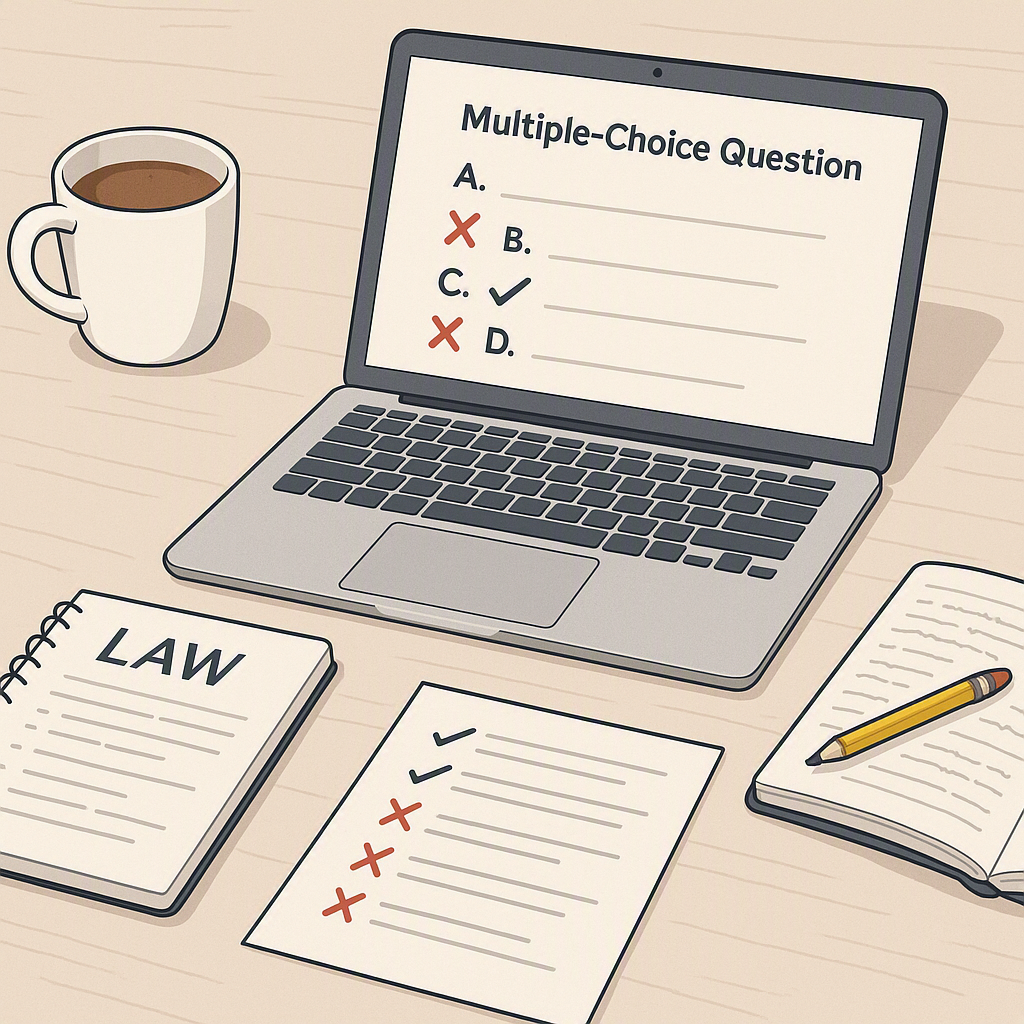
Why Eliminating Wrong Answers in SQE1 Feels Impossible
If you've ever stared at an SQE1 multiple-choice question and thought, "Well, it could be A… but also maybe C? And D looks good too," you're in good company. Eliminating wrong answers in SQE1 isn’t just hard—it’s designed to be hard.
The Solicitors Regulation Authority (SRA) has made it clear: SQE1 tests application, not just knowledge. It's not enough to know the law; you need to apply it to real-world scenarios under pressure. This is where most candidates stumble. The trick is that the examiners love to use distractors—answers that look right but aren’t.
And here’s the killer stat: the pass rate for SQE1 is only 53% (SRA data). That means nearly half of the candidates don’t make it through. Why? Because they can’t consistently spot those traps.
So, how do you fix this? Let’s break it down.
Step 1: Understand the Distractor Game
Distractors in SQE1 aren’t random. They’re carefully crafted to exploit common mistakes. For example:
1. Misreading the Question Stem
A stem that says "Which is NOT true…" will trip up anyone reading too quickly. The word "NOT" or "EXCEPT" changes the entire meaning of the question, and candidates often skim past it. Always underline or highlight keywords in the stem before even glancing at the answer options. This creates a mental checkpoint to ensure you interpret the question correctly.
Actionable Tip: Practice identifying key words in the question stem. Create a habit of pausing after reading the stem to mentally rephrase it in your own words. For example, if the stem says, "Which of the following is NOT a requirement for a valid contract?", mentally convert it into, "I’m looking for the answer that makes a contract invalid."
2. Overthinking Definitions
A distractor might use a term you vaguely recognize (e.g., “easements by prescription”). If you don’t fully understand it, you might convince yourself it’s correct because it sounds plausible. This is where rote memorization fails—SQE1 is about understanding, not recitation.
Actionable Tip: If you’re unsure about legal definitions, prioritize studying the most commonly tested concepts. Use concise legal glossaries or revision guides to get crystal-clear on terms that appear frequently in past papers.
3. Adding Facts That Aren’t There
Distractors often assume facts not given in the stem. For example, if a question asks about a breach of duty in negligence, one distractor might present facts suggesting the defendant acted intentionally—even though the stem doesn’t mention intent. If it’s not explicitly stated in the stem, don’t assume it’s true.
Actionable Tip: When reviewing an answer option, ask yourself: “Is this directly supported by the question, or am I filling in gaps with my own assumptions?” Practice this with sample questions until it becomes second nature.
Why These Errors Happen
Candidates often fall for these traps because they’re trying to reason their way through instead of practicing with high-quality, exam-style questions. This leads to a false sense of confidence. Remember, SQE1 isn’t testing your ability to debate legal theory—it’s testing rapid and accurate application of core principles.
Step 2: Drill Your Weak Spots (Not Everything)
Here’s a hard truth: most people waste time studying the wrong things. You don’t need to master everything in the SQE1 syllabus—just the parts you’re bad at.
Why Targeted Practice Matters
The SQE1 syllabus is vast, covering topics from Contract Law to Criminal Procedure. But not all topics are equally likely to trip you up. If you’re already scoring 80% in Tort Law, spending hours reviewing it won’t move the needle much. On the other hand, if you’re consistently scoring 50% on Property Law questions, that’s where your attention should go.
How to Identify Weak Areas
- Track Your Performance: Use practice questions to identify patterns. Are you consistently missing questions in certain subjects (e.g., mens rea in Criminal Law)? Write these down.
- Use Analytics Tools: Some platforms, like SQE1Prep, offer weak-topic detection. These tools analyze your performance and highlight areas where you’re below average.
- Review Answer Explanations: Pay close attention to why you got questions wrong. Was it a misunderstanding of the law, a misreading of the question, or a time-management issue? Each requires a different fix.
Actionable Plan for Drilling Weak Spots
- Step 1: Pick one weak topic per day (e.g., trust law).
- Step 2: Spend 30 minutes reviewing core principles using concise resources like the SQE Assessments Specification.
- Step 3: Answer 10-15 practice questions on that topic, focusing on accuracy rather than speed.
- Step 4: Review your answers and note any recurring mistakes. Repeat until your accuracy improves.
Step 3: Practice Elimination with a Strategy
When you don’t know the answer, elimination is your best friend. But it’s not as simple as crossing out the obvious wrong ones. Here’s a more structured elimination framework you can use:
Framework for Eliminating Wrong Answers
- Identify the Outliers: Look for answers that don’t fit the legal principles in the question. For example, if three options involve remedies in equity and one doesn’t, the odd one out is likely incorrect.
- Check for Overstatements: Phrases like "always," "never," or "only" are red flags. Legal principles are rarely that absolute. For instance, in Contract Law, an agreement is usually binding, but there are exceptions.
- Match Keywords: The correct answer often mirrors the phrasing in the question stem. Distractors might use similar language but distort a key term. Pay close attention to subtle differences.
- Focus on the Distractor Details: When down to two options, ask yourself why one might be wrong rather than why the other is right. This shifts your mindset from guessing to logical elimination.
Actionable Tip
Practice this framework with timed multiple-choice sets. After each session, review the distractors carefully—why did they almost seem correct? This insight will sharpen your ability to spot traps in the future.
Step 4: Simulate Exam Conditions
Here’s the thing about SQE1: you’re not just fighting the questions—you’re fighting the clock. With 180 questions per paper and just 2 hours and 33 minutes to complete them, you’ve got less than a minute per question. That’s brutal.
Why Time Management Matters
In a high-pressure environment, even a small delay can snowball. Spending two minutes on a single tricky question means you’ll have to rush through others. The key is learning to let go of questions you don’t know—quickly.
How to Practice Under Exam Conditions
- Set a Timer: Allocate 90-second intervals per question during practice sessions. This trains you to make quick decisions without second-guessing.
- Use Full Mock Exams: Platforms like SQE1Prep offer timed simulations that replicate the real SQE1 format. These are invaluable for building stamina and managing exam-day stress.
- Review Time Allocation: After each practice session, analyze where you spent the most time. Did you get stuck on lengthy stems or confusing options? Adjust your strategy accordingly.
Common Mistakes (And How to Avoid Them)
1. Not Reviewing Mistakes
Getting a question wrong isn’t the problem. Not understanding why you got it wrong is. Always review explanations thoroughly.
2. Overconfidence in Strong Areas
Scoring 80% in Tort doesn’t mean you should stop practicing it. You need to maintain that accuracy under timed conditions. Rotate your drills to keep all topics fresh.
3. Burnout from Overdrilling
Quality beats quantity. Ten focused questions with thorough review are better than 50 rushed ones. If you’re exhausted, take a break.
FAQ
Q: What if I’m running out of practice questions?
A: That’s a real concern. Many platforms have limited question banks that can go stale. SQE1Prep solves this with AI-generated questions, adding ~100 new ones daily. You’ll always have fresh material to work with.
Q: How do I know which topics I’m weak in?
A: Use analytics. SQE1Prep’s weak-topic detection flags subjects where you’re scoring below 60%. This saves you from wasting time on what you already know.
Q: Should I guess if I don’t know the answer?
A: Absolutely. There’s no penalty for wrong answers in SQE1, so always take a shot. But make it an educated guess—use the elimination strategies above.
Q: How do I balance speed and accuracy?
A: Practice timed mock exams. Set a goal of 90 seconds per question. Over time, you’ll improve both speed and accuracy with consistent practice.
Decision Framework: To Guess or Skip?
| Scenario | Action |
|---|---|
| You’ve eliminated 2 options | Make an educated guess |
| You’re completely unsure | Guess and move on |
| Question is taking >90 seconds | Flag and skip |
If you’re struggling with SQE1’s multiple-choice questions, SQE1Prep can help. From weak-topic drills to timed simulations, it’s built for self-funding candidates who need affordable, effective practice. Get started free →
Learn more at SQE1 Drills